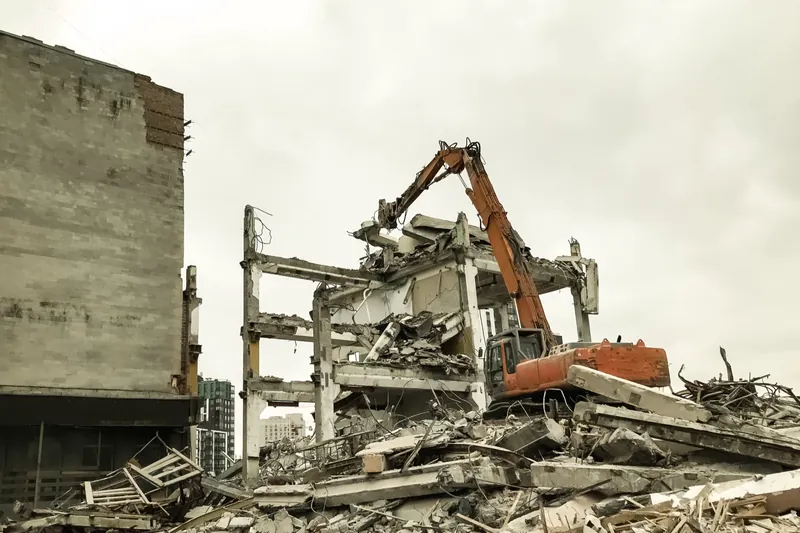
Commercial strip out at end of lease
The make good clause is one of the most misunderstood parts of a commercial lease. It is usually read on moving day, when it should have been read at signing. Here is what it involves in practice and how to avoid the surprise invoice.
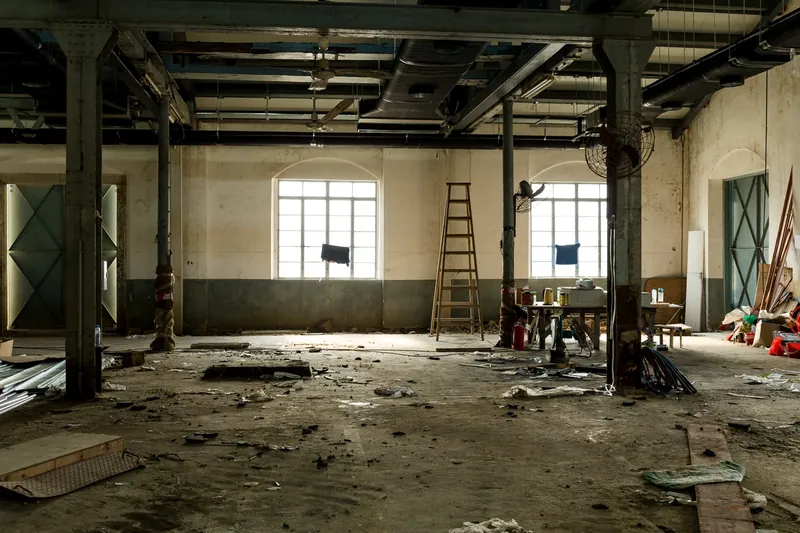
What the make good clause usually says
Most commercial leases provide that the tenant returns the unit to its original condition, or to an agreed condition, at the end of the lease. Depending on the wording that can range from a simple clean to complete removal of every fit out carried out during occupancy.
The gap between those two extremes runs into tens of thousands of dollars on a decent sized unit. That is why the first step of a commercial strip out is always a careful read of the lease, not demolition.
Who pays for what, and the leasehold improvement trap
Fit outs installed by the tenant during occupancy, partitions, counters, kitchen, custom lighting, are generally their responsibility to remove. What the landlord supplied at the outset remains the landlord's.
The classic trap concerns improvements made years ago, sometimes by a previous tenant. Without a documented entry condition report with photos, the discussion gets difficult and the outgoing tenant often pays more than they should.
The schedule, the hardest constraint
The lease end date is firm. A unit handed back late can trigger penalties or an extra month of rent, which often exceeds the cost of the work itself.
So you have to work the schedule backwards from the handover date, accounting for the working windows allowed by building management, service elevator and dock bookings, and a possible asbestos test if the building predates 1990.
What pushes the invoice up
Imposed hours. Night or weekend work costs more, but it is often mandatory when neighbouring businesses stay open.
Floor level and removal route. A floor plate served by a single shared elevator takes far more labour than a unit with direct street access.
Density of installations. A commercial kitchen, with hoods, walk in coolers and specialised plumbing, holds several times the equipment of an office floor of the same size.
Asbestos in tile adhesives and joint compounds, very common in commercial buildings before 1990. A positive test adds a contained removal phase.
What can be recovered rather than destroyed
Hoods, walk in coolers, light fixtures, glass partitions and kitchen equipment can be taken down cleanly, protected and stored rather than demolished. That makes sense when you are reopening elsewhere or when resale value covers the extra cost of careful dismantling.
That decision is made during the survey, before the first removal, because it changes the working method.
Frequently asked questions
Allow three to five days for a 1000 to 2000 square foot unit, and one to three weeks for a full office floor or a heavily equipped restaurant. A positive asbestos test adds one to two weeks.
Yes, and it is the normal mode on a good share of our commercial projects. Our crews work evenings, nights and weekends according to the windows set by building management.
Yes. Insurance certificates, CNESST evidence, RBQ licence, site plan and schedule. We also book service elevators and docks with management before mobilising.